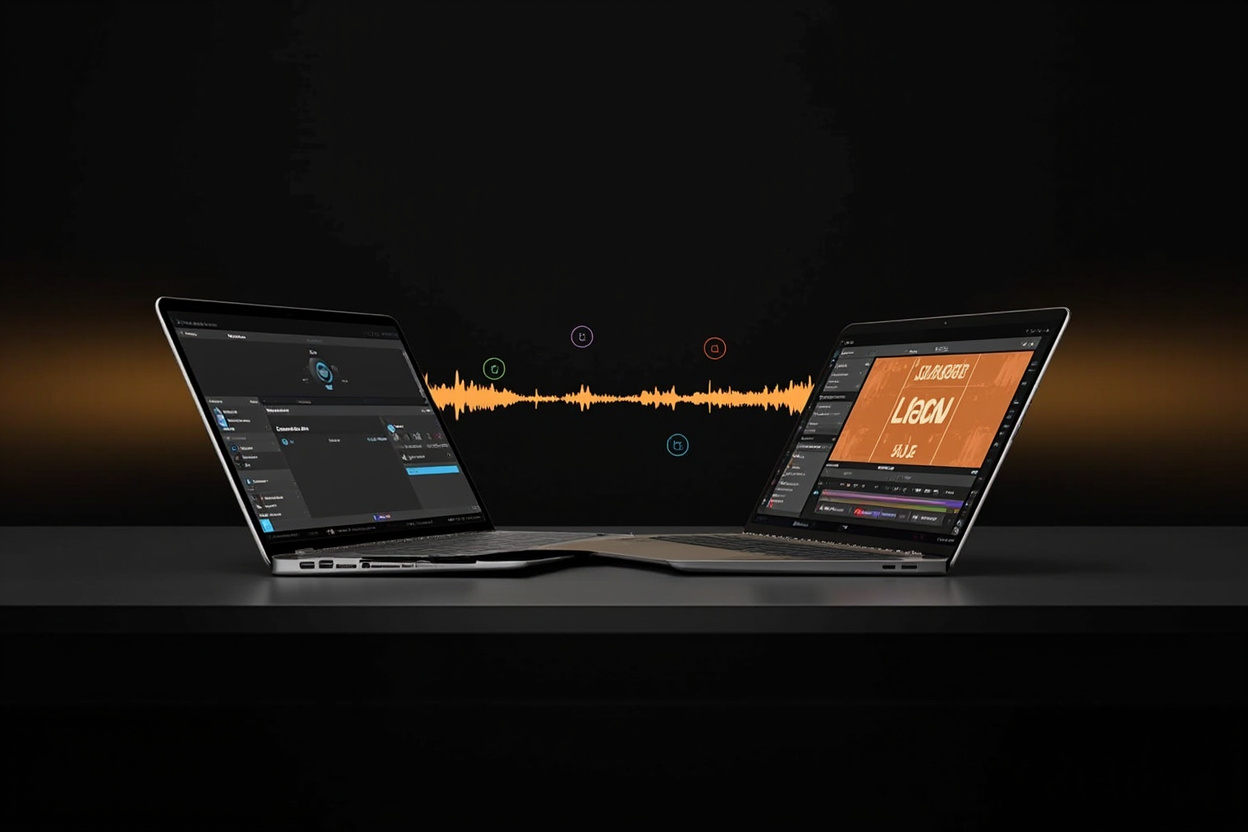
Splice vs Looperman for Sync Licensing: Which is Better for Film & TV Music?
Comparing Splice and Looperman for music producers focused on sync licensing. Which platform gives you the best samples for landing placements?
Quick Verdict
Splice wins for production quality and sync-ready samples; Looperman wins for free access and unique underground sounds.
Bottom Line
Splice wins for production quality and sync-ready samples; Looperman wins for free access and unique underground sounds.
For sync licensing producers, your sample library is everything. The wrong loop in the wrong placement can create a clearance nightmare. The right loop can make a cue sing. Splice and Looperman are two of the most popular sample sources — but they serve very different needs.
Quick Verdict
Use Splice if: You’re producing sync-ready music and need professional, clearance-guaranteed samples with consistent quality. The subscription cost is worth it for working producers.
Use Looperman if: You’re looking for unique, underground sounds that won’t appear in every other producer’s library, or you’re on a tight budget.
Licensing and Clearance
This is the most important factor for sync producers.
Splice provides a royalty-free license for all samples. When you download a sample using a credit, you own the right to use it in any project including commercial sync placements — forever. No additional clearance needed.
Looperman samples are also royalty-free, but the licensing is community-generated. Quality control is lower and you should always read the individual license terms on each loop before using it in a commercial placement.
Winner: Splice — cleaner licensing for professional sync work.
Sample Quality
Splice’s catalog is curated and includes samples from professional producers, sound designers, and labels. Quality is consistently high and loops are properly labeled with BPM, key, and genre.
Looperman is community-uploaded. You’ll find genuine gems — unique ethnic instruments, rare textures, unusual sound design — but you’ll also wade through a lot of low-quality uploads to find them.
Winner: Splice — consistent professional quality.
Pricing
Splice uses a credit system. Plans start at $7.99/month for 100 credits. Most samples cost 1 credit. The free tier lets you preview everything.
Looperman is completely free for most content. Some premium packs exist but the core library is free.
Winner: Looperman — free is hard to beat.
Catalog Size and Variety
Splice has over 4 million samples across every genre. Search filtering is excellent — you can find exactly what you need quickly.
Looperman has a large community catalog with a strong selection of organic and acoustic loops that are harder to find on Splice.
Winner: Splice — larger, better organized catalog.
Best for Sync Licensing Specifically
Sync music supervisors are sensitive to recognizable samples. If your track uses a Splice loop that’s also in 10,000 other productions, a sharp supervisor will notice.
For sync, consider using Splice for foundational elements (drums, bass, basic textures) and Looperman for unique signature elements that differentiate your track. Better yet — record your own elements whenever possible.
FAQ
Can I use Splice samples in music I submit to sync libraries? Yes — Splice’s royalty-free license covers sync placements. Always keep your download receipts as proof of license.
Are Looperman samples safe for commercial use? Most are, but check each loop’s individual license. Look for loops marked “Royalty Free” and “Commercial Use Allowed.”
Does Splice have cinematic or orchestral samples? Yes — Splice has a strong cinematic and orchestral section. Search for “cinematic”, “orchestral”, or specific instruments.
What’s the best sample source for emotional sync music? Splice’s “Cinematic” and “Ambient” categories are excellent for emotional sync cues. Also check out Artlist and Musicbed’s sample offerings for sync-specific content.
Our Verdict
Splice wins for production quality and sync-ready samples; Looperman wins for free access and unique underground sounds.